
Hydrosols vs Toners
What is the difference and when do you use one?
It all starts with the pH of your skin…
What is your skin pH?
pH ranges from 0 to 14, with the lowest number being acidic (like lemon juice) and the highest number being basic (like laundry detergent). A neutral pH is 7 (like water). Your skin has a pH of slightly acidic—4.5-5.5. This forms a protective barrier called the acid mantle, which keeps bad bacteria out and moisture in. This barrier is comprised of natural oils (sebum) and sweat. Stripping your skin too much can alter the pH, which is the science behind influencers and skincare brands talking about “fixing your barrier”. Now you know!
What are signs of an imbalanced pH?
An imbalanced skin pH can disrupt the natural microenvironment of your skin. Healthy bacteria can’t grow, moisture can’t stay in, and bad bacteria can proliferate. Common signs are:
Dryness and flakiness (from stripping your natural oils)
Acne (from bad bacteria growing)
Irritation (such as redness, inflammation, and sensitivity
A disrupted skin pH is often associated with chronic skin conditions such as rosacea, eczema, psoriasis and acne.
An imbalanced pH can be caused by over-exfoliating, cleansing with bar soap (highly alkaline cleansers), hot water, and environmental factors (pollution, UV exposure). Skin toners can bring your skin back to a slightly acidic pH.
Toners
Toners bring your skin back to a natural acidic state after cleansing. You will frequently see witch hazel in a toner product, which is mildly acidic (pH of 6).
Unfortunately, the concept of a toner has gone off the rails a bit. You will see exfoliating toners, moisturizing toners, or milky toners (which is essentially just a moisturizer, but I digress). Rather than focusing on bringing the skin to a natural pH state after cleansing, toners nowadays have more of an agenda. This is how you end up with 3 different “toners” (essentially just serums at this point) and a complex skincare routine.
Hydrosols
Hydrosols are mostly completely neutral on the pH scale (7). Hydrosols are the water by-product of a plant obtained through a steam distillation process. Fresh botanicals are steamed and then put through a cooling condenser to turn back into a liquid. This allows you to get the benefits of the plant you are using. Hydrosols are essentially a gentler version of a toner, but also comparable to a sprayable serum. Some plants, such as juniper, have a small molecular structure that is slightly exfoliating. Others, such as rose geranium, are hydrating and anti-inflammatory.
I’m still confused on which one is right for me…
Totally understandable! Lets compare this season’s hydrosol to a similar toner:
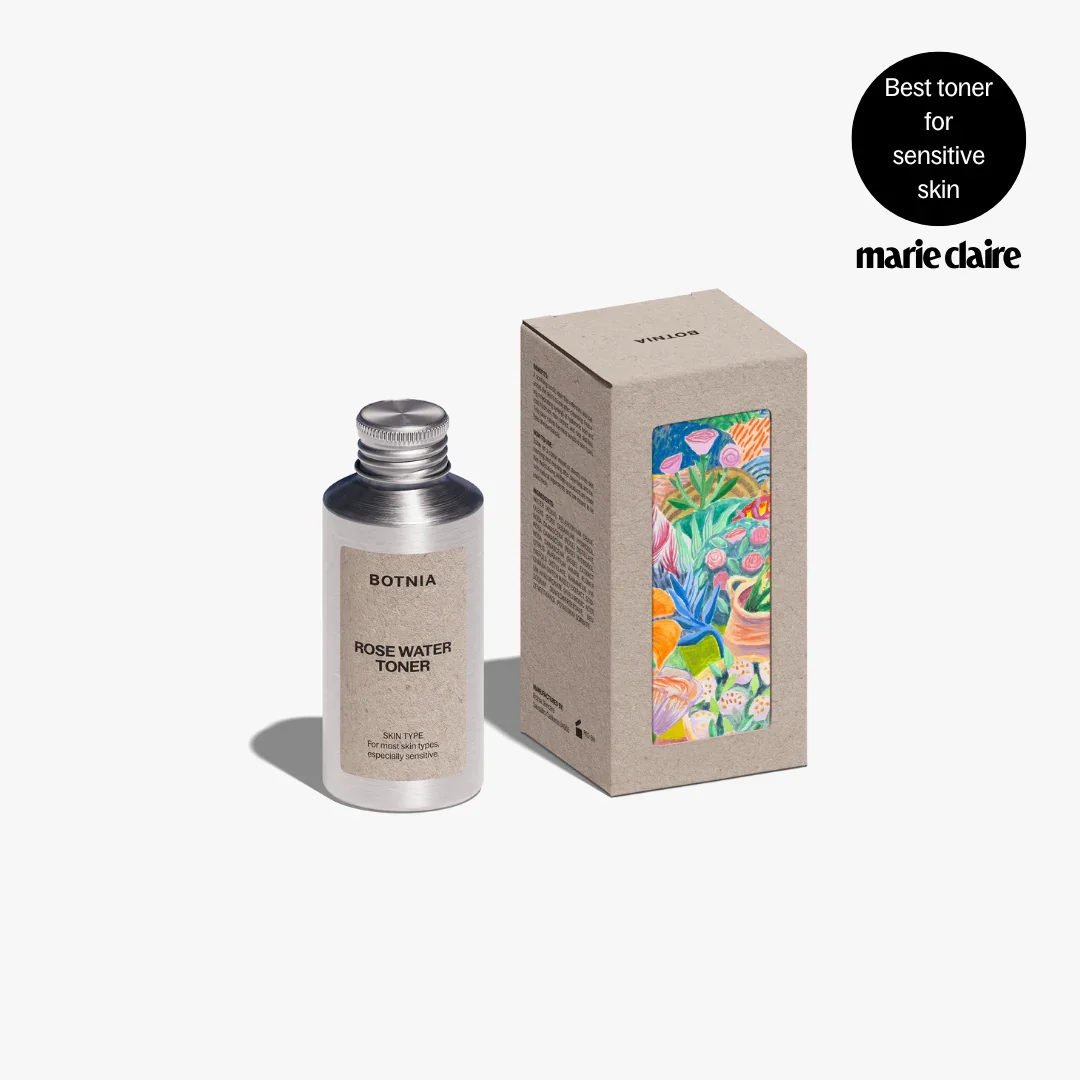
Rose water toner
Contains witch hazel and a touch of lactic acid to bring the pH of your skin back to a slightly acidic state after cleansing. Neroli and banana leaf balance oil production and also treat inflammation.
Rose and rose geranium hydrosol soothe irritation, making this a great toner for sensitive skin. Use after cleansing.
Best for all skin types, but especially: dry, irritated skin and sensitive, inflamed skin. Great for hormonal, inflammatory acne.
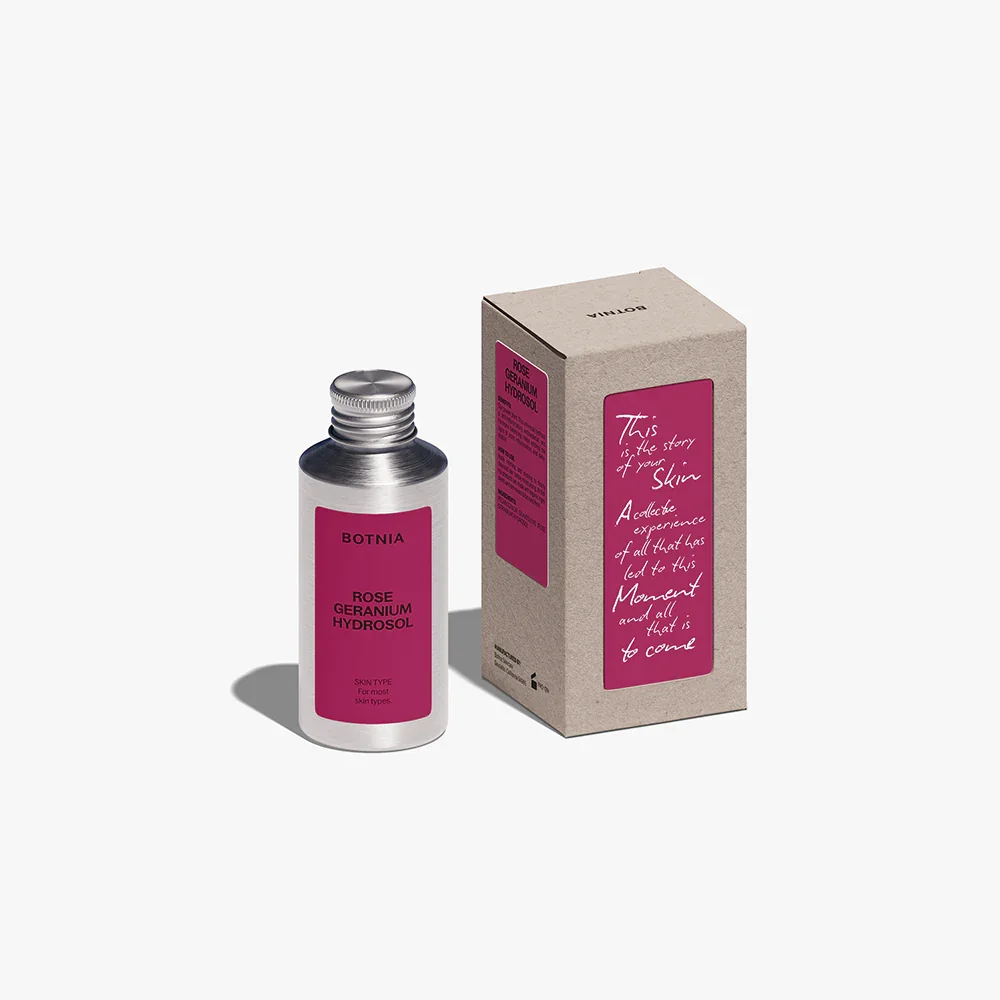
Rose Geranium Hydrosol
Contains only rose geranium. Rose geranium is anti-inflammatory and antimicrobial, which is great for balancing inflamed and irritated skin.
Great to sandwich in serums to retain moisture or use throughout the day. It is also handy to carry with you as aromatherapy (it smells like a literal rose garden) to ground yourself if you are prone to anxiety or panic attacks.
Best for all skin types, but especially: sensitive, inflamed skin or those with rosacea, eczema, psoriasis or dermatitis.
Still have questions? Feel free to send me a message!
