
Acupressure
Key benefits and how it differs from acupuncture
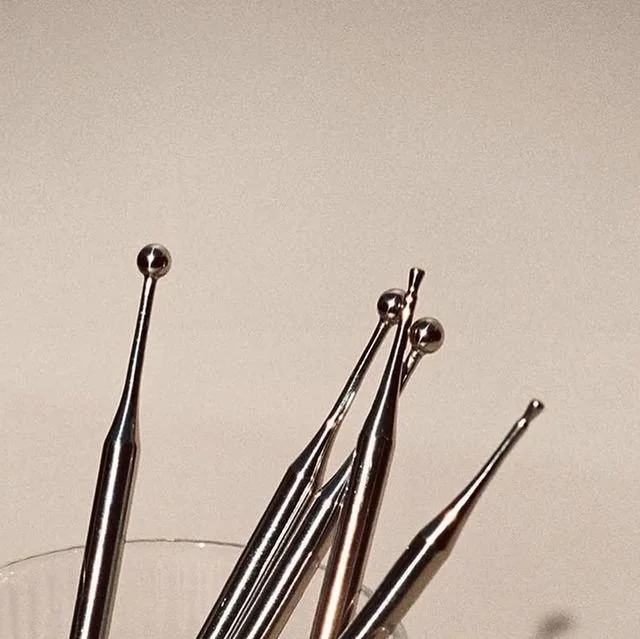
Acupressure is a Traditional Chinese Medicine (TCM) technique that involves applying physical pressure to specific points on the body. Different providers will have different approaches to why they use acupressure.
TCM Theory vs Western Theory
TCM proposes that vital energy (called Qi) flows along invisible highways (energy channels) throughout your body. When they get blocked, it can behave like a traffic jam. Pressing on these “acupoints” can help clear up this jam, allowing energy to flow again. Each point is connected to various organs and tissues of the human body, reducing pain at the reflective site and local site.
Western theory focuses on muscular tension relief and therapeutic response on the autonomic nervous system rather than the flow of physiological energy. Acupressure is increasingly common in oncology settings due to the proven reduction in nausea and vomiting, as well as in labor and delivery due to reduction in pain levels during delivery.
Both theories can exist within the same space and have a simultaneous effect during sessions. There can be a sensation of tension relief which can be synonymous with the effect of energy flow. This distinction in theories is important to note due to the lens at which clinical trials view acupressure and acupuncture.
My Approach
I focus on the shift in energy release by changing the atmosphere of the space and emphasizing deep breaths during the acupressure portion at the end of the session. With my nursing and clinical research background, I have focused on acupressure points that follow the trigeminal nerve. This facial nerve is the largest cranial nerve branching along the ophthalmic, maxillary and mandibular branches.
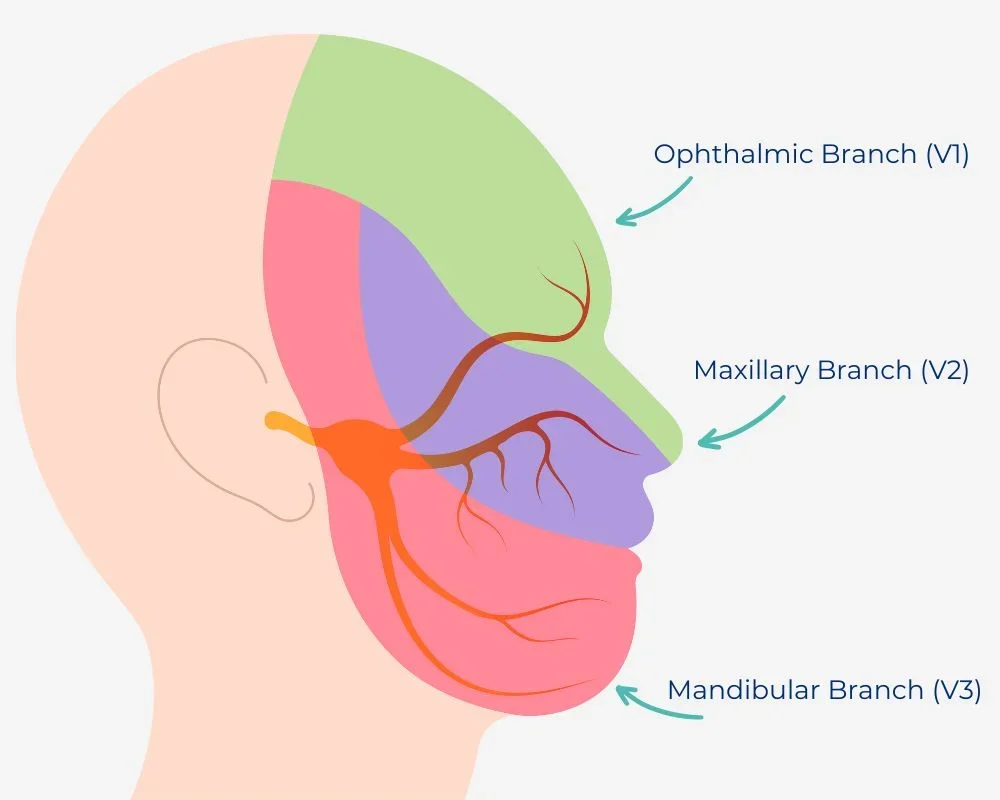
This nerve controls sensation in: the forehead, scalp, eyes, upper eyelids, cheeks, upper lip, nasal cavity, upper teeth, lower eyelids, lower jaw, lower teeth, tongue, and chin while controlling the primary muscles used for chewing.
Key benefits by following along this nerve include:
TMJ pain relief
Stress and anxiety reduction
Improved sleep
Sinus and allergy relief
Eye strain and tension headache relief
Acupressure Vs Acupuncture
While acupressure and acupuncture follow the same pathways, the core difference is in the method. Acupressure uses manual hand or tool sustained pressure on specific points, while acupuncture uses hair-thin fine needles on specific points.
The intensity of stimulation from acupuncture is higher, often eliciting a moderate-to-high tingling, numbing, or heavy sensation. Acupressure often elicits mild-to-moderate tenderness.
Acupuncture is best for chronic conditions and complex nerve/musculoskeletal problems. Acupressure is best for mild pain, stress relief, and overall relaxation. Many also favor acupressure due to needle anxiety from acupuncture.
Acupuncture and acupressure are also amazing when used simultaneously by performing acupressure in-between acupuncture appointments.
I have opted to make acupressure sessions more accessible by formatting sessions as an add-on treatment to your existing facial appointments.
